
The Socializing Clubs project was born from the desire to offer young people a safe, welcoming, and fun environment where they can practice social skills and daily independence step by step. The underlying idea is simple yet powerful: to create concrete opportunities for experience—where one can make mistakes, try again, and, in the process, build meaningful, long-lasting relationships.
At the heart of the Socializing Clubs is the goal of making every participant feel like part of a group. These are not just “outings” or recreational activities, but true “training sessions” for everyday social life: choosing what to do together, learning to reach agreements, respecting others’ timing, and sharing emotions and experiences.
Every meeting is designed to be predictable and reassuring, reducing the anxiety associated with new situations and allowing everyone to participate with greater peace of mind.
To prepare for the activities, participants always receive clear visual support: illustrated schedules, images, symbols, videos, and social stories that explain what will happen, who will be there, and the main steps of the day. This helps them better understand the situation and feel ready to face it.
Teamwork with staff is continuous: shared materials, debriefing moments, periodic training, and updates on the most effective educational strategies allow us to adapt proposals to the real needs of the youth, maintaining a professional yet warm and human approach.
The activities are designed to target two major areas: social skills and personal independence. On one hand, there are group situations—such as snacks, walks, or trips—where participants learn to chat, wait their turn, listen to others, and enjoy being together.
On the other hand, every experience becomes an opportunity to practice “small-but-great” acts of independence: using public transport, navigating the neighborhood, packing a backpack for an outing, managing money to pay for a drink, or checking movie times and museum maps. These details, when put together, make a real difference in how confident they feel in their environment.
A central element of the project is the active participation of the youth in organizing their appointments. They don’t find everything “already decided”; instead, they are involved in thinking about where to go, how to get there, how much time is needed, and which tools to use.
Apps like Google Maps become valuable allies: they study routes, compare alternatives, and choose stops and transfers. In this way, technology is not just entertainment but a tool to better understand and feel “at home” in the city.
One of the most loved activities is bowling night. It’s a moment that combines games, rules, and a lot of fun. Together with the staff, the group decides on teams, learns how scoring works, respects turns, and cheers for one another.
Once the game is over, the evening continues at the pizzeria: they browse the menu, choose what to order, talk to the waiter, split the bill, and pay at the counter. In a single outing, social skills, decision-making, and money management are all put into play within a relaxed and pleasant atmosphere.
Cultural proposals are also a mainstay: once a month, visits to exhibitions, museums, or local landmarks are organized. Preparation starts well before the outing, with computer research on available exhibits, reading essential information, and choosing what to see as a group.
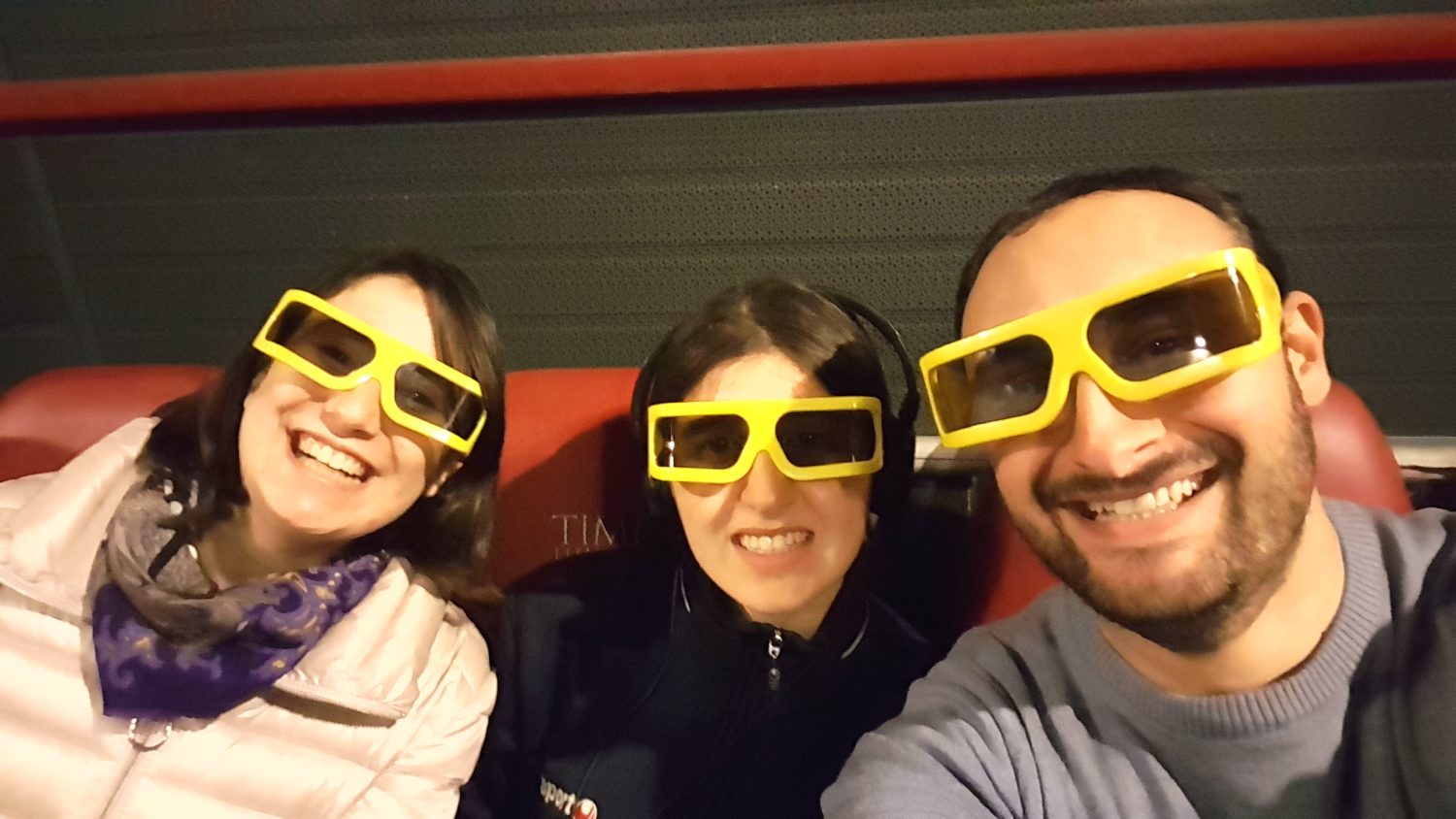
Similarly, movie nights or small “cineforums” stem from group decisions: they check the listings together, compare tastes, and choose the most suitable film and time. After the screening, a guided discussion helps them put emotions into words—saying “I liked it” or “I didn’t like it” and explaining why—while practicing communication and mutual listening.
The project also includes “edutainment” workshops, where play and learning intertwine. In settings like tech-labs or science centers, the youth can experiment with robots, digital tools, and multimedia paths, learning to use technology in a fun yet responsible and creative way.
Alongside the technological dimension, there are artistic and expressive workshops: music, theater, movement, improvisation, and experimentation with musical instruments. The stage, the music, and the body become alternative languages for self-expression, trying out different roles, overcoming shyness, and feeling part of a shared project.
When summer arrives, the Socializing Clubs move even further beyond “indoor spaces” and head toward the beaches near Rome. Organizing a day at the beach means choosing the right public transport, packing a bag with everything necessary, following beach rules, and, above all, enjoying a new setting with peers.
The neighborhood, the city center, museums, cinemas, and the seaside: the entire region becomes a vast “gym” for independence and socialization.
During every outing, with the support of the staff, the youth have the chance to experience firsthand that they can truly inhabit these spaces in an active, competent, and—most importantly—fun way.
Ultimately, the Socializing Clubs are much more than a calendar of activities: they are a shared journey where young people learn to know themselves, trust others, and discover resources they often didn’t know they had. In every outing, workshop, and evening spent together, they build small pieces of independence and self-esteem that, side by side, pave the way for a fuller and more conscious participation in community life.